The Ultimate Commercial Roof Maintenance Guide for Property Owners
Owning and managing commercial property comes with a unique set of responsibilities. Whether you oversee a bustling retail center, a sprawling industrial warehouse, or a modern office complex, the structural integrity of your building is paramount. Among the most critical components of your property is its roof. It protects your tenants, your inventory, and your overall investment from the elements. However, many property managers only think about their roof when something goes wrong.
Here in Peachtree City and the surrounding areas, we experience unpredictable weather conditions that can take a serious toll on building exteriors. Heavy summer thunderstorms, high winds, and the occasional freeze can accelerate wear and tear, leading to unexpected leaks and costly interior damage. When emergencies happen, unpredictable weather can also cause supply chain delays that disrupt repair schedules and create backlog stress for everyone involved.
The most effective way to avoid these headaches is through a proactive commercial roofing preventative maintenance schedule. By staying ahead of minor issues, you can extend the lifespan of your roof, maintain compliance with local building codes, and keep your business running smoothly without interruption. This guide will walk you through exactly what property owners need to know about commercial roof maintenance, from routine inspections to recognizing when it is time to call in the professionals.
Establish a Preventative Maintenance Schedule
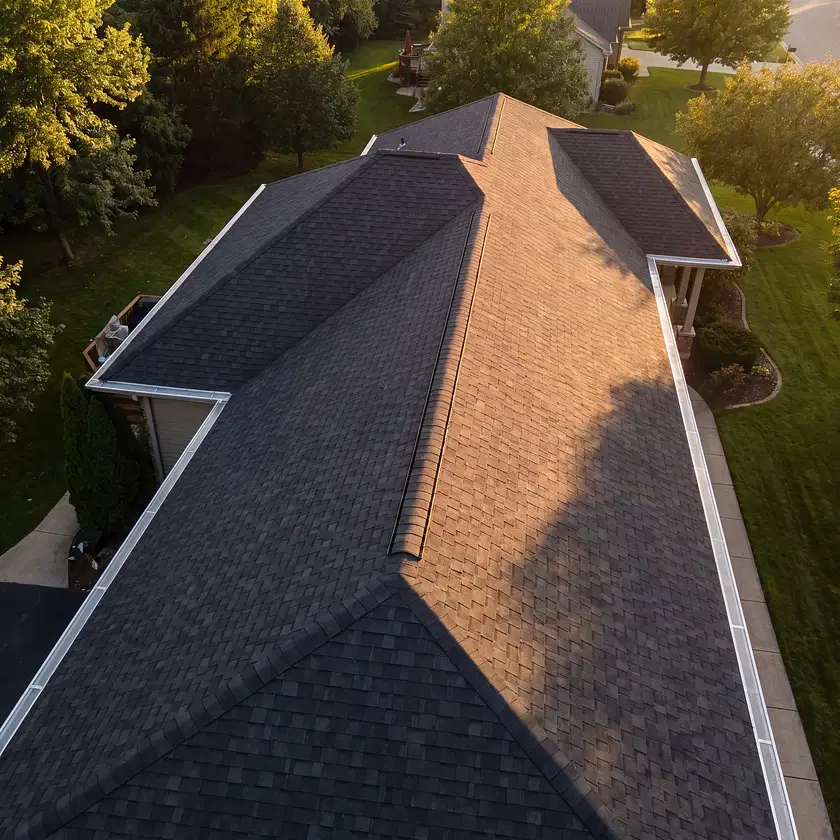
The foundation of any good commercial flat roof maintenance checklist is consistency. A standard commercial roof should be thoroughly inspected at least twice a year—ideally in the spring and fall. These seasonal checks allow you to assess any damage caused by winter freezes or severe summer storms before the next extreme weather season begins.
Modern maintenance has evolved significantly. Industry trends show a widespread adoption of drones for aerial roof inspections, along with smart software that helps accurately map out potential problem areas. When you partner with a modern contractor, these technological innovations allow for safer, faster, and more detailed assessments of your property. Drones can safely identify pooling water, membrane punctures, or flashing separation without requiring unnecessary foot traffic on delicate roofing materials.
During these regular inspections, your maintenance team should look for blistering, cracking, or any signs of moisture intrusion. Catching a small puncture early is the best answer to how to prevent commercial roof leaks, saving you from a massive repair bill and potential operational downtime.
Keep Your Drainage Systems Clear
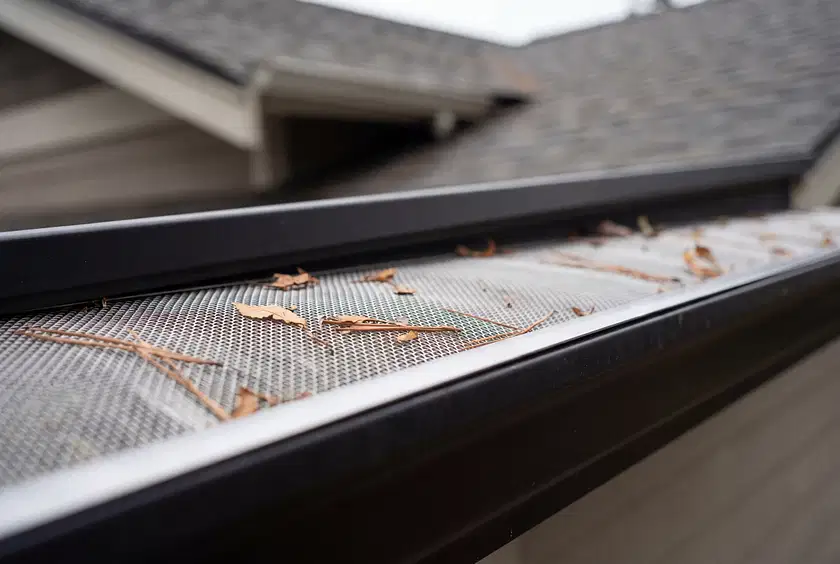
One of the most frequent causes of commercial roof failure is poor drainage. Flat and low-slope roofs rely on a carefully engineered system of drains, scuppers, and gutters to move water off the building. If these pathways become obstructed, water will pool on the surface of the roof. Standing water breaks down roofing membranes rapidly and adds immense weight to the structural supports of your building.
Here in the South, our lush greenery is beautiful, but it can be a nightmare for drainage. Falling leaves, pine straw, and even a buildup of fine dust from the famous Georgia red clay can quickly clog a building's perimeter. It is essential to include regular clearing of your gutters in your maintenance routine. Ensure that downspouts are directing water entirely away from the building's foundation. Keeping this system flowing freely is one of the simplest yet most effective ways to protect your commercial investment.
Knowing When to Repair vs. Replace
A common question we hear from property managers is: What are the signs that my roof needs to be replaced instead of repaired?
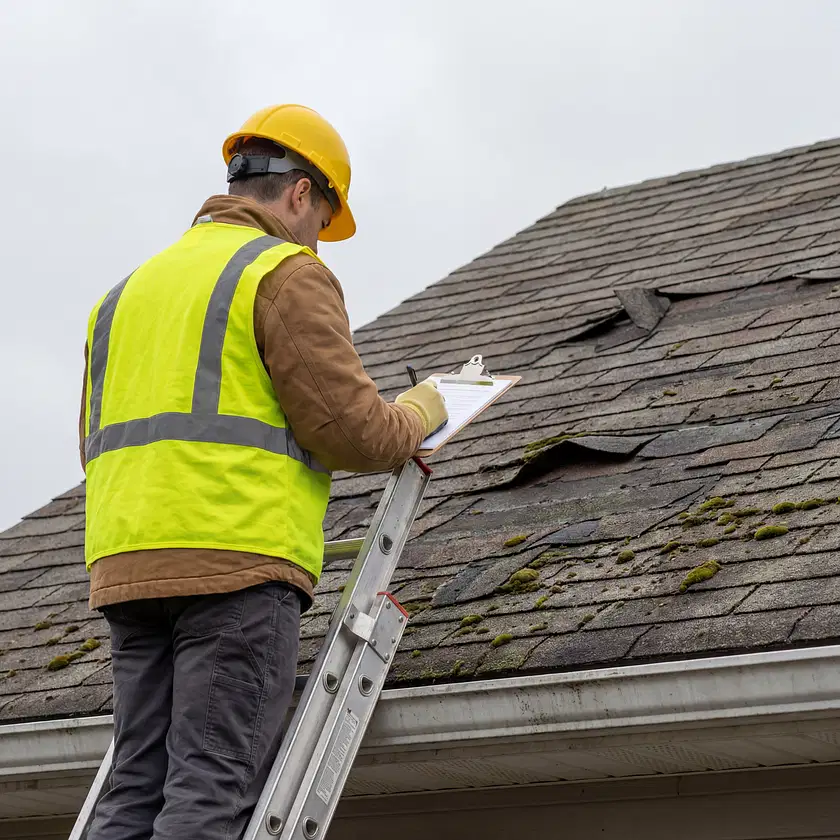
While regular patching and preventative care can extend a roof's life, no material lasts forever. Depending on the materials used, a well-maintained commercial roof can last anywhere from 20 to 30 years. However, if your maintenance checks continually reveal new leaks, extensive membrane shrinkage, or widespread blistering across large sections of the roof, repairs will eventually offer diminishing returns.
If you find yourself frequently patching the same areas or dealing with moisture inside the building after every rainstorm, it might be time to consider a full replacement. Keep in mind that a full replacement is a significant undertaking that must adhere to strict OSHA fall-protection standards and local municipal building permit requirements. Attempting to delay a necessary replacement often results in structural rot or mold, which drives up the final cost significantly.
Choose a Reliable Local Partner
When maintenance issues escalate into major repairs or replacements, choosing the right team is crucial. One of the biggest challenges for property owners today is differentiating legitimate local contractors from out-of-state storm chasers who flood the area after severe weather. These transient companies often offer low-ball estimates, use substandard materials, and are nowhere to be found when warranty issues arise down the line.
How do you choose a reliable and licensed local contractor? Look for a company with a strong physical presence in your community, positive local reviews, and a clear, upfront process for estimating and project management. A reputable local company will understand the specific regional building codes, carry the proper liability insurance, and have a track record of meeting strict safety and compliance standards. They will also be equipped to guide you toward modern, eco-friendly options like cool roofing systems that reflect sunlight and help lower your building's energy costs.
Protect Your Business Today
Maintaining a commercial roof doesn't have to be a stressful, reactive process. By implementing a consistent preventative maintenance schedule, keeping your drainage systems perfectly clear, and addressing minor wear and tear before it becomes a major problem, you can secure the longevity of your building.
If your property is located OTP and you are looking for a trusted partner to handle your building's exterior needs, our team at Peachtree City Roofing is here to help. We understand the unique challenges of maintaining commercial properties in our climate and pride ourselves on transparent communication, exceptional safety standards, and superior workmanship.
Are you ready to schedule an inspection or learn more about our comprehensive commercial roofing programs? Reach out and contact us today to ensure your property remains safe, secure, and fully protected for years to come.